
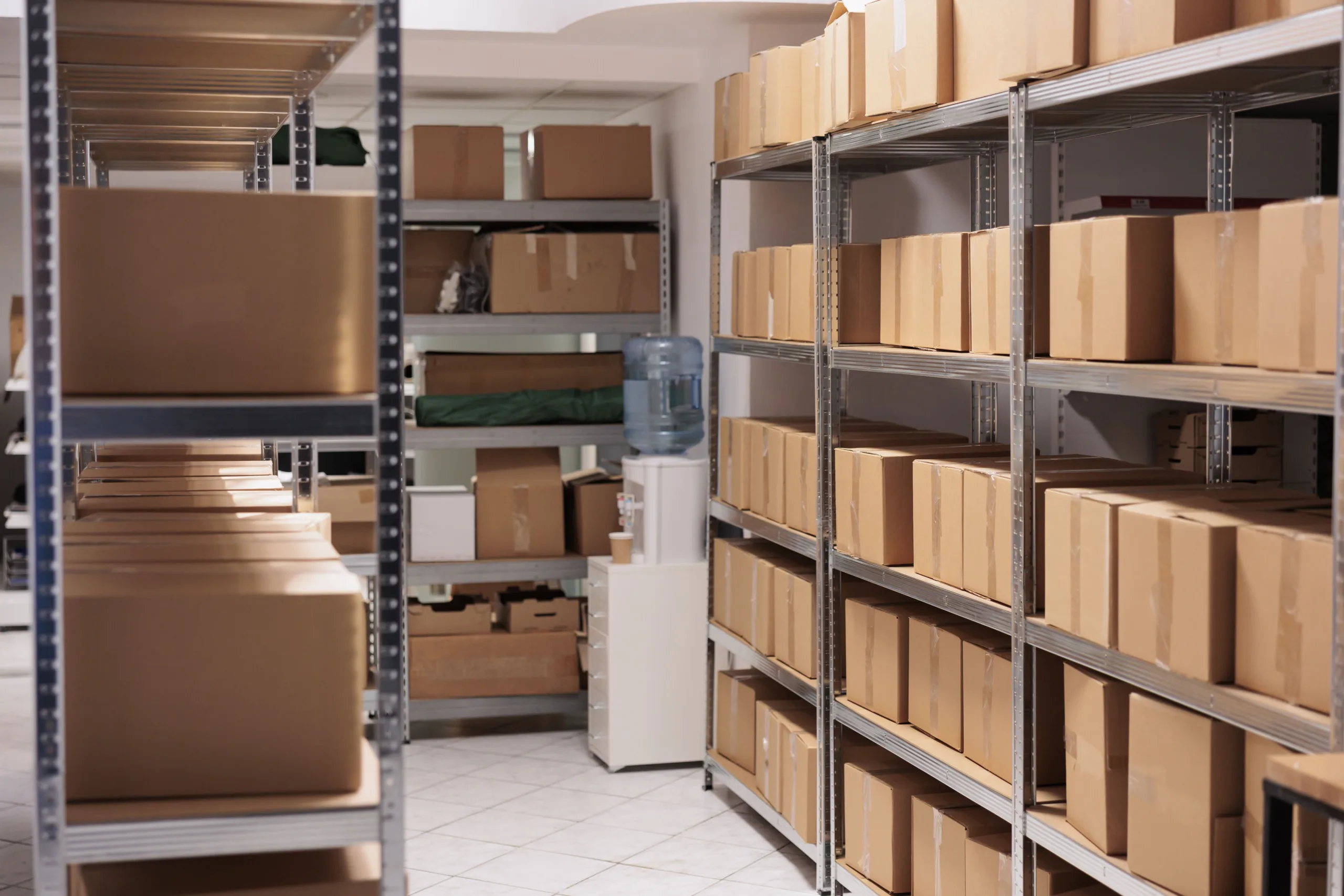
How to Maximise Warehouse Floor Space Without Expanding Your Building
Running out of storage space is one of the most common challenges faced by warehouse operators. When aisles become crowded and pallets start appearing on walkways, many businesses immediately consider moving to a larger facility. Unfortunately, relocation is expensive, disruptive, and often unnecessary.
In reality, most warehouses already have enough space to support growth. The problem is not the size of the building, but the structure, use, and maintenance of the space. By improving layout planning, vertical usage, inventory zoning, and storage system selection, warehouses can unlock significant hidden capacity while improving daily operations.
Understanding How Your Space Is Actually Used
Before implementing any changes, it is important to observe how your warehouse functions during normal working hours. Many inefficiencies are not visible on paper but become obvious during peak activity.
Look for signs such as:
- Workers taking long routes between picking zones
- Shelves that are consistently underutilised at higher levels
- Inventory frequently placed on the floor due to lack of proper storage
- Congestion near packing or loading areas
These patterns indicate that space is being lost through poor planning rather than physical limitation.
Making Better Use of Vertical Storage
One of the most overlooked opportunities in warehouse optimisation is vertical height. Many facilities use only a portion of their available ceiling clearance, leaving large volumes of air unused above shelving systems.
Increasing vertical storage capacity allows warehouses to expand without increasing their floor space. However, this must be achieved safely using systems designed specifically for high load-bearing capacity. For warehouses handling bulky or heavy goods, heavy-duty racking systems provide the structural reliability required for storing large quantities of goods at height, while ensuring operational safety.
Vertical storage also enables better organisation, allowing fast-moving products to remain accessible while slower-moving stock is placed higher.
Aligning Storage Layout with Picking Behaviour
Warehouses often group inventory by product category rather than movement frequency. While this seems logical, it frequently results in high-demand products being placed in inconvenient locations.
A more efficient strategy is to zone inventory based on how often it is picked. High-frequency items should be positioned close to packing and dispatch zones, while low-frequency or seasonal items can be stored further away or at higher levels.
This approach reduces walking distance, lowers congestion in busy areas, and improves order fulfilment speed.
Improving Walkway Layout to Increase Storage Capacity
Warehouses often group inventory by product category rather than movement frequency. While this seems logical, it frequently results in high-demand products being placed in inconvenient locations.
A more efficient strategy is to zone inventory based on how often it is picked. High-frequency items should be positioned close to packing and dispatch zones, while low-frequency or seasonal items can be stored further away or at higher levels.
This approach reduces walking distance, lowers congestion in busy areas, and improves order fulfilment speed.
Choosing Storage Systems That Can Adapt
Warehouse requirements change over time. New product lines, packaging sizes, and seasonal demand fluctuations make rigid shelving systems a long-term risk.
Modular storage systems offer the flexibility needed to respond to these changes. Adjustable shelves, expandable bays, and reconfigurable layouts allow businesses to adapt their warehouse design without costly structural modifications.
This adaptability is especially valuable for growing businesses that cannot afford repeated layout overhauls.
Keeping the Floor Clear for Safety and Efficiency
Floor stacking is often treated as a temporary solution but quickly becomes permanent clutter. Once products start occupying walkways, workflow slows down and safety risks increase.
A clear-floor policy ensures:
- Safer movement for workers and equipment
- Faster access to inventory
- Improved housekeeping and professional appearance
When every product has a designated storage position, the warehouse becomes easier to manage even during peak periods.
Conclusion
Smart warehouse design is not about cramming more goods into a limited space, it is about creating a system that supports business growth while ensuring safe, efficient operation and effective management. Through rational layout planning, vertical optimization, flexible shelving systems, and inventory zoning based on product movement, warehouses can operate more smoothly and handle ever-increasing volumes without disrupting business operations.
If you want to implement these strategies effectively, Mr Space’s extra heavy duty rack systems provide reliable, modular solutions to optimise space and support long-term growth. With the right storage system, businesses can maximise capacity, improve workflow, and achieve operational efficiency without expanding their facility.
FAQ
Which type of racking system supports growth and flexibility?
Modular and heavy-duty racks, like extra heavy duty rack systems, can be adjusted or expanded to meet changing inventory requirements without costly renovations.
What common mistakes reduce warehouse efficiency?
Oversized aisles, low vertical usage, floor stacking, and rigid shelving systems that cannot adapt to changing inventory are common efficiency barriers.
How can warehouse design support seasonal inventory changes?
Flexible shelving and movement-based zoning allow quick adjustments for peak seasons, ensuring space is used efficiently year-round.


