
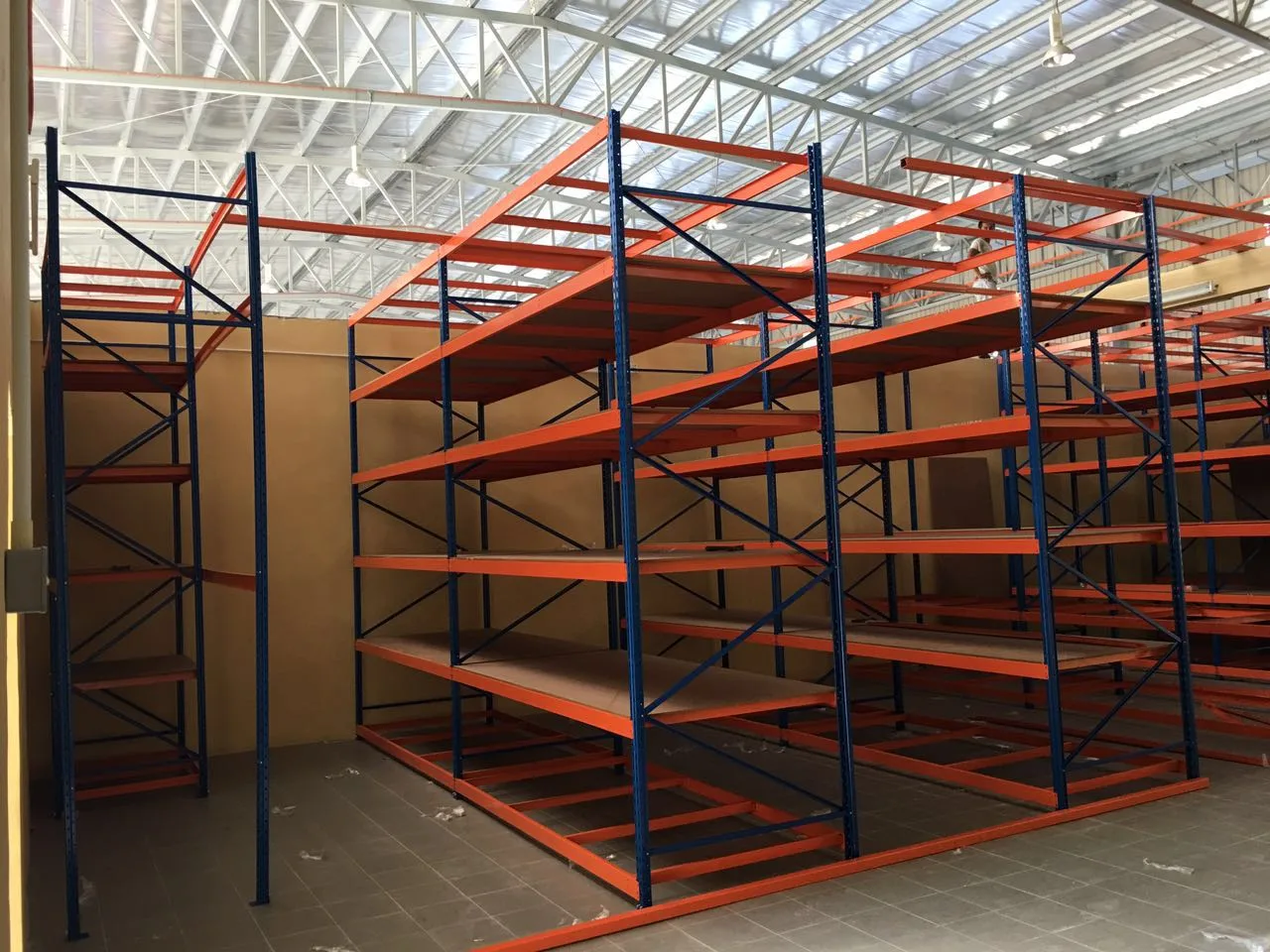
How to Choose the Right Heavy-Duty Display Rack for Your Business
Heavy-duty display racks are a crucial part of warehouse, retail, and industrial storage operations. Unlike light shelving, these systems are designed to support substantial weight consistently while remaining stable and safe over years of use. Choosing the wrong rack can lead to inefficient space utilisation, damaged stock, and even safety hazards. Selecting the right system requires understanding your operational needs, structural considerations, and the environment in which the racks will be used.
This guide will walk you through practical factors to consider, helping businesses in Malaysia make informed decisions when sourcing a display rack supplier.
Understand Your Inventory and Load Requirements
Before reviewing rack specifications, evaluate how your inventory behaves in daily operations. Many businesses underestimate the impact of load distribution and frequency of handling. Items that are stacked unevenly, frequently moved, or stored at varying heights create dynamic stresses on the rack system.
It is essential to consider not just average weight, but worst-case scenarios, including full stock periods and seasonal surges. Ignoring these factors often results in racks that bend, sag, or fail under pressure.
Key Load Factors to Assess
When evaluating your storage needs, focus on:
- Maximum weight per shelf, not just average load
- Load distribution, including uneven or concentrated weight points
- Frequency of handling, such as daily picking or occasional access
- Item dimensions, especially for irregular or bulky products
- Future expansion, accounting for potential increases in inventory
Assessing these factors accurately allows you to choose a rack system that will remain reliable and safe over time.
Structural Design and Material Considerations
Steel thickness alone does not define rack strength. A well-engineered system relies on proper design of beams, uprights, and connections to distribute load evenly across the structure. For example, reinforced beams with carefully calculated profiles reduce the likelihood of sagging, while bracing and upright configuration provide lateral stability.
High-quality heavy-duty racks should:
- Maintain alignment and stability under full load
- Resist vibration and impact from equipment or handling
- Provide secure shelf locking mechanisms for safety
A rack with strong structural integrity reduces maintenance costs, prevents accidents, and improves long-term performance in demanding storage environments.
Flexibility and Adjustability: Use What You Actually Need
Adjustable racks offer versatility, but not all businesses need maximum adjustability. Overcomplicating a storage system with unused features can add cost and complexity without real benefit.
Adjustable shelving is most valuable when:
- Inventory dimensions vary or change frequently
- Seasonal or short-term stock requires reconfiguration
- Layout flexibility is needed for future operational changes
If your warehouse or retail backroom handles uniform stock, fixed racks may offer better rigidity and lower maintenance.
Quick Comparison Table
The environment in which racks operate affects material selection and finish requirements. Using the wrong finish can lead to corrosion, wear, and structural damage over time. The following table highlights common conditions and recommended features:
| Operating Environment | Common Challenge | Recommended Feature |
| Warehouse | Moisture, dust | Corrosion-resistant coating |
| Industrial facility | Impact, vibration | Reinforced frame design |
| Retail backroom | Frequent handling, aesthetics | Durable and clean finish |
| Logistics hub | Heavy pallets, forklifts | High structural rigidity, proper anchoring |
Safety and Compliance
Heavy-duty racks must perform safely over years of continuous use. Safety is not just about load ratings but also about how the system behaves under dynamic conditions, such as forklifts, trolleys, or frequent handling. Consistent stability, proper anchoring, and secure shelving reduce accidents and protect both employees and inventory.
Operational Efficiency and Maintenance Tips
Even the most advanced gondola racks need proper planning and maintenance for long-term efficiency:
- Arrange products based on turnover rate, placing high-demand items within easy reach.
- Maintain clear aisles to support staff movement and safety during restocking.
- Conduct routine inspections for loose bolts, damaged shelves, or signs of wear to avoid accidents.
- Keep racks clean and dust-free to maintain a professional appearance and extend lifespan.
Following these practices ensures gondola racks remain functional, safe, and visually appealing while optimising workflow.
Cost and Value Over Time
Initial cost is only one aspect to consider. A cheap rack may require frequent repair or replacement, leading to higher lifetime costs. Evaluate racks based on long-term value:
- Durability: How long will the rack last under daily use?
- Maintenance requirements: Will frequent adjustments or repairs be needed?
- Operational safety: Does the rack reduce risk for staff and inventory?
- Efficiency gains: Does the system improve workflow or space utilisation?
Focusing on these metrics ensures you invest in a solution that supports your business sustainably.
Conclusion
Choosing the right heavy-duty display rack is essential for operational efficiency, workplace safety, and long-term durability. A properly designed system keeps inventory organised, accessible, and protected while maximising storage space and optimising workflow. Making the right choice today helps prevent costly mistakes and ensures smooth operations for years to come.
For businesses looking for a reliable Display Rack Supplier Malaysia, Mrspace offers a wide range of heavy-duty display racks designed to meet different operational needs. Explore solutions tailored to your storage requirements and find the system that fits your business perfectly.
FAQ
How do I know the right weight capacity for my racks?
Start by evaluating your heaviest items and how they are stored. Consider whether items are palletised, stacked, or frequently moved, and include a margin for safety. A proper supplier can help you calculate the load per shelf and suggest the most suitable system.
What maintenance is required for heavy-duty display racks?
Regular checks for loose bolts, damaged beams, corrosion, and shelf alignment are essential. Cleaning racks to remove dust and debris also extends their lifespan. A supplier can provide guidance on proper maintenance schedules for long-term durability.
Can these racks be used for both warehouses and retail stores?
Yes. Heavy-duty display racks are versatile and can support warehouses, retail backrooms, and industrial environments, offering robust storage solutions while keeping items easily accessible.


