
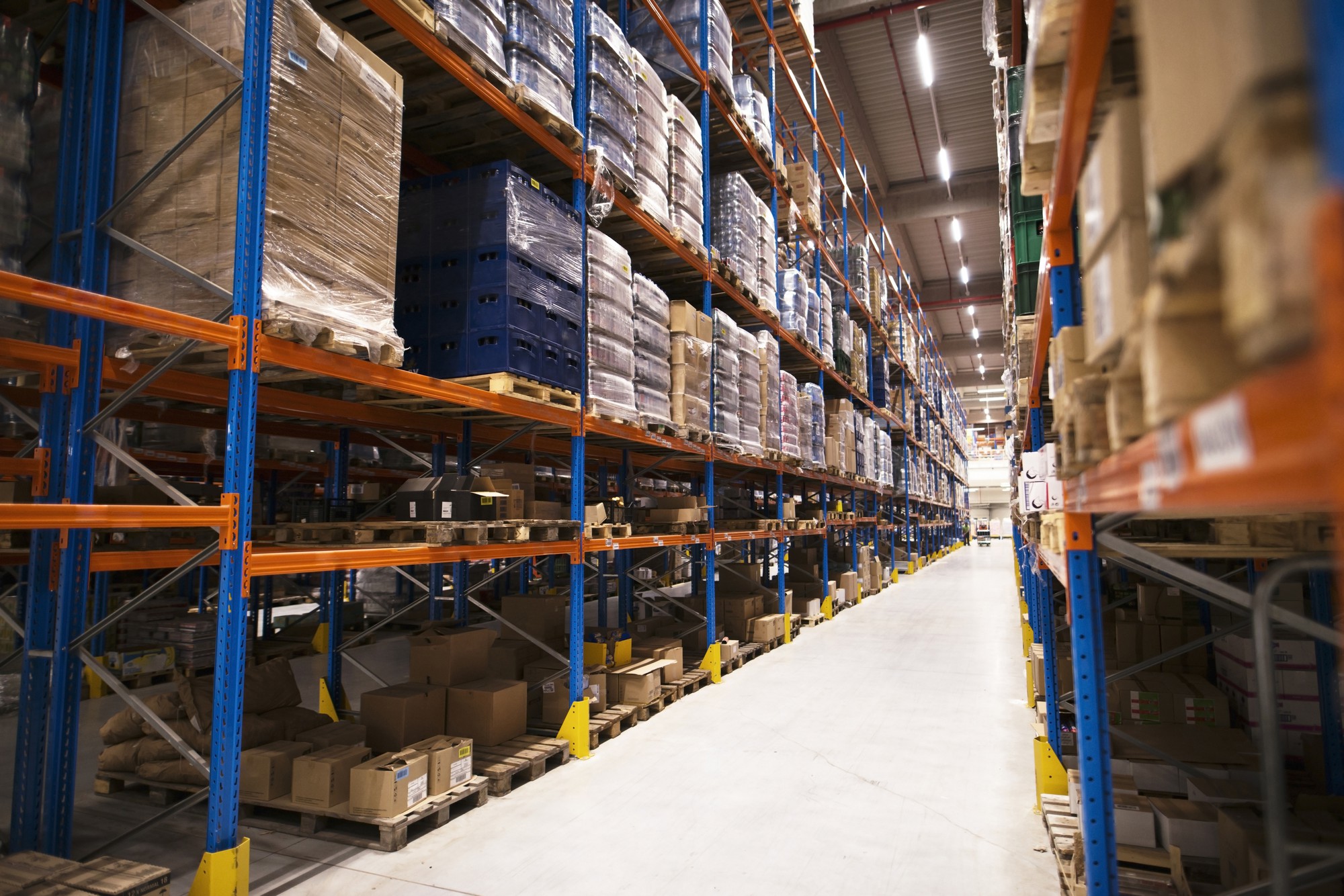
Cutting Hidden Costs: Why Quality Racking is the Best Hedge Against Rising Rental SST in Malaysia
Rising warehousing costs are becoming a pressing issue for Malaysian businesses. Increased rents, the impact of the Sales and Service Tax (SST) on warehousing and logistics, and soaring utility costs are squeezing profit margins for many operators. While most companies focus on renegotiating lease agreements or cutting discretionary spending, few are aware of how much capital is quietly being wasted in their warehouses.
Even when warehouses appear full, space is often underutilized. Fixed shelving heights, deep aisle designs, and outdated layouts all contribute to wasted space. Pallet stacking is inefficient, leaving gaps above and behind. This wasted space still generates rent and taxes, quietly eroding profits over time.
The Hidden Cost of Inefficient Storage
Inefficient storage is more than just wasted square footage. It creates measurable operational and financial pressure inside a warehouse. When racking systems are rigid or layouts are poorly planned, daily tasks become slower and more complicated, reducing overall productivity.
In these environments, staff must navigate longer aisles, reposition pallets that do not fit correctly, and spend unnecessary time searching for stock. While each delay may seem insignificant on its own, the cumulative effect of thousands of handling operations each month can lead to minor inefficiencies that result in significant hidden labor costs.
Besides lost productivity, poor warehouse design also introduces safety and quality risks. Overcrowded shelving increases the probability of accidents, and overloaded shelving exceeds structural limits, increasing the likelihood of equipment failure. These issues affect warehouse reliability, customer satisfaction, and the company’s long-term profitability.
How Quality Racking Solves These Problems
Investing in a high-quality shelving system is one of the most effective ways to address these hidden costs. Unlike cheap or fixed shelving, modular and adjustable shelving systems can be flexibly adapted to changes in inventory. They maximize vertical space, adjust beam height, and reconfigure the layout without requiring major renovations.
Some of the key advantages include:
- Optimized vertical space: Adjustable racks enable you to stack pallets safely and efficiently, reducing wasted air above products.
- Flexibility for evolving inventory: Modular designs accommodate changes in product size, pallet dimensions, or SKU expansions.
- Improved accessibility: Staff can reach items faster, reducing picking errors and labor time.
- Reduced dependency on additional storage: By reclaiming internal capacity, you may avoid renting external storage or expanding prematurely.
Improving Daily Productivity
A well-designed storage layout shapes how efficiently a warehouse operates each day. When aisles are logically arranged and products are positioned based on movement frequency, tasks become faster and more predictable. Staff spend less time searching, repositioning stock, or correcting placement mistakes, which naturally improves throughput without adding pressure to the workforce. Over time, these small efficiency gains translate into meaningful operational savings.
Clear zoning and consistent slotting also improve working conditions. Employees move with confidence because locations are intuitive, reducing frustration and lowering the risk of handling errors or accidents.
Avoiding Premature Expansion
Businesses frequently think about renting more facilities when they run out of space. Although this appears to be a simple solution, it typically results in additional costs including commuting between locations, redundant labor, and increased monthly obligations. In many instances, inefficient utilization of available capacity rather than a shortage of space is the true issue.
A well-designed racking system can prolong the life of a warehouse footprint and recoup lost capacity. Businesses frequently postpone expansion plans by increasing layout efficiency and releasing vertical space, which keeps operating costs predictable and controllable.
Preparing for Business Growth
Inventory rarely stays the same for long. New product lines, seasonal surges, and changing order profiles all place pressure on static storage systems. Flexible racking allows layouts to evolve alongside business needs, whether that means adjusting beam heights, reconfiguring aisles, or reallocating zones for fast-moving stock.
Developing adaptive plans ensures that growth doesn’t come at the expense of order accuracy or processing speed. Instead, the storage system evolves quietly in the background, allowing day-to-day operations to run smoothly.
Conclusion
Racking should not be treated merely as infrastructure but as a strategic business tool. Its influence extends across rental efficiency, labour productivity, safety standards, and operational flexibility. Businesses that actively optimise their storage systems gain a competitive edge through lower overheads, smoother workflows, and the ability to respond quickly to changing market demands without disruption.
For companies looking to strengthen their warehouse strategy, exploring Mr Space racks KL reveals solutions that balance durability, adaptability, and long-term operational efficiency.
FAQs
A layout review should be done whenever there are major changes in product range, order volume, or handling methods. For most growing businesses, a structured review every one to two years helps ensure storage remains aligned with operational needs.
Overcrowded aisles and overloaded racks increase the chance of product damage, collisions, and structural failure. A properly designed system improves load distribution, visibility, and movement flow, creating a safer working environment for warehouse staff.
This usually happens when rack heights are fixed, pallet sizes vary, or layouts are not updated as inventory changes. These conditions create unused vertical and horizontal gaps that quietly reduce total usable capacity even though the warehouse looks fully occupied.
